Clock In, Cash Out: When US Players Should Actually Be Sitting at Live Dealer Tables
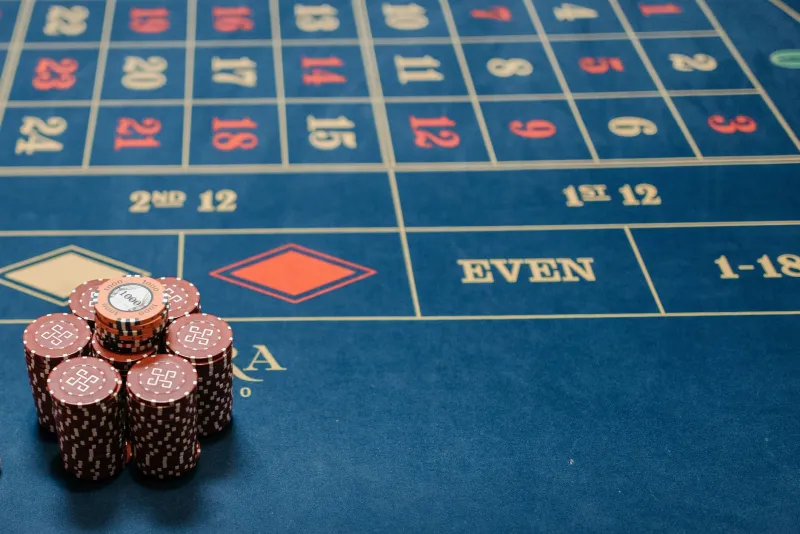
Here's something most casual players never think about: live dealer tables aren't static. The experience you get at a blackjack table at 2 PM Eastern on a Tuesday is genuinely different from the one you get at 11 PM on a Saturday. Different dealers, different pace, different crowd — and if you know what you're doing, different outcomes for your session quality.
This isn't about superstition or chasing lucky streaks. It's about understanding the infrastructure behind live dealer casinos and using it to your advantage. Let's break it down.
The Global Clock Behind Your Favorite Tables
Most live dealer studios powering US-facing platforms are based overseas — think Malta, the Philippines, Latvia, and Romania. That geographic spread matters more than you might realize. When you're sitting down at 9 PM Eastern, those studios are running through the tail end of their European overnight shifts or mid-morning in Southeast Asia.
Why does that matter? Dealer rotation schedules, table staffing levels, and even the pace of gameplay shift depending on what part of the global clock you're tapping into. Peak hours for European players — roughly 6 PM to midnight Central European Time — translate to early afternoon in the US. During those windows, studios are typically running full staff, tables are packed, and the overall energy is higher.
For American players logging on in the late morning or early afternoon Eastern, you're often catching studios in a transitional phase. Tables are less crowded, dealer rotations are smoother, and the general pace of play tends to be more relaxed. That's not a bad environment if you prefer a measured, unhurried session.
Soft Competition Is Real — Here's When to Find It
One of the underrated benefits of timing your live dealer sessions carefully is the competition factor. In games like live poker variants or multiplayer live blackjack, you're often sharing a table with other real players making real decisions. During peak global hours, those players are more likely to be experienced regulars who've put in serious time.
Mid-week daytime hours in the US — say, 10 AM to 2 PM Eastern — tend to draw a softer mix of recreational players. This isn't a knock on anyone; it's just a natural result of who has free time on a Tuesday morning. If you're someone who's done your homework on basic strategy or has a solid approach to live poker, playing against a more casual crowd is a genuine tactical advantage.
Weekend evenings flip that script. Saturday and Sunday nights between 8 PM and midnight Eastern are typically the highest-traffic windows for US players. More competition, faster tables, and a higher likelihood of running into sharp regulars who've seen every move in the book.
Your Brain Has Peak Hours Too
Here's the part most strategy guides skip entirely: your own cognitive performance is just as important as table conditions. Casino psychology research has consistently shown that decision quality degrades with fatigue, emotional state, and even hunger. A 2019 study published in Psychological Science found that people make significantly riskier financial decisions in the evening compared to the morning — not because they're more confident, but because their impulse control weakens as the day wears on.
For live dealer games that require actual strategic thinking — blackjack, baccarat side bet decisions, live poker — that cognitive dip is a real liability. Playing at midnight when you're tired and have already had a long day means you're not bringing your sharpest game to the table, even if you know the strategy cold.
Most players perform best in the late morning to early afternoon window, roughly 10 AM to 1 PM, when alertness peaks and decision fatigue hasn't set in yet. If your schedule allows it, that's the sweet spot to target — and it happens to overlap with some of the softer table traffic we mentioned earlier.
Practical Scheduling Tips You Can Use Right Now
Map your personal peak first. Before worrying about global time zones, spend a week paying attention to when you feel most focused and composed. Morning person? Night owl? Your natural rhythm matters more than any external schedule.
Use weekday mornings for strategy-heavy games. If you're playing live blackjack or any variant where your decisions materially affect outcomes, Tuesday through Thursday mornings Eastern are your friend. Lower traffic, more relaxed pace, and you're likely at your cognitive best.
Save the weekend for pure entertainment sessions. If you're in it for the atmosphere and the buzz of a busy table, weekend evenings deliver that energy. Just go in knowing the competition level is higher and adjust your stakes accordingly.
Track your results by session time. Seriously — keep a simple log. Note the time, game type, session length, and outcome. After a month, patterns will emerge. Your data is more useful than any general guide.
Watch for dealer rotation windows. Most studios rotate dealers every 30 to 40 minutes. If you've had a particularly smooth session with an efficient dealer, note the time. Dealer quality varies, and consistent professionals tend to work consistent shifts.
The W69Z Angle: Playing Bold Means Playing Smart
At W69Z Casino, the whole philosophy is built around that balance — bold play backed by smart decisions. Timing your live dealer sessions isn't about playing it safe or grinding out tiny edges obsessively. It's about stacking the conditions in your favor before you even place your first bet.
Think of it like a professional athlete choosing when to train versus when to compete. You don't show up for the big game on three hours of sleep just because the game is scheduled. You build your preparation around peak performance windows. Your casino sessions deserve the same intentionality.
One More Thing to Keep in Mind
None of this is a guarantee. Live dealer games are still games, and variance is always part of the deal. But the players who consistently get the most out of their sessions aren't the ones with the biggest bankrolls or the most aggressive strategies — they're the ones who show up prepared, at the right time, with the right mindset.
Timing is free. It costs you nothing to log on at 11 AM instead of 11 PM. If that simple shift puts you at a less crowded table, against softer competition, while your brain is operating at full capacity — that's an edge worth taking seriously.
Play your hours as carefully as you play your hands.