Why Americans Can't Resist the Big Swing: The Brain Science Behind Bold Betting
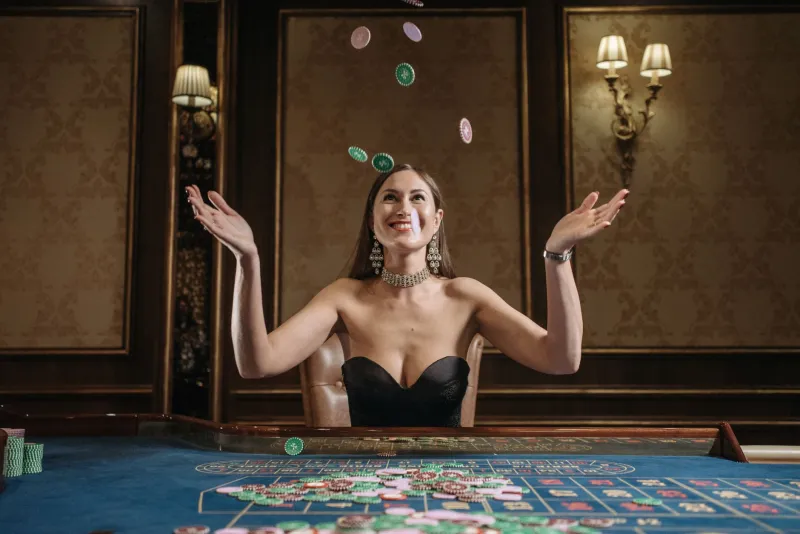
Ask any seasoned casino player about their most memorable moment at the tables, and odds are it won't involve a modest, calculated win. It'll be the long shot. The Hail Mary. The bold bet that either paid off spectacularly or went down in flames so dramatically it became a story worth telling at every cookout for the next decade.
At W69Z Casino, we live by the motto Play Bold. Win Big. Bet Smart. — and that first part, playing bold, isn't just marketing copy. It speaks to something genuinely wired into the way humans, and especially Americans, approach risk. So what's actually going on inside your head when you slide those extra chips across the felt?
The Dopamine Hit Is Real (And It Starts Before the Outcome)
Here's the thing most people get wrong about gambling excitement: the rush doesn't come from winning. It comes from anticipating the possibility of winning. Neuroscientists have repeatedly shown that the brain's dopamine system — the same reward circuitry involved in everything from eating great food to falling in love — fires most intensely during uncertainty.
When you place a high-risk wager, your brain doesn't know what's coming. That uncertainty triggers a dopamine surge that's actually larger than what you'd experience from a guaranteed reward of the same value. In other words, your brain is chemically designed to find the bold bet more exciting than the safe one, even before a single card is flipped.
This is part of why slot jackpots, parlay bets, and high-multiplier casino games have such staying power. The near-miss — landing two out of three symbols, or watching a roulette ball bounce tantalizingly close to your number — is neurologically almost indistinguishable from a win. Your brain files it as "almost," which keeps the engine running.
The American Risk Appetite: Culture Plays a Role Too
It'd be oversimplifying to say bold betting is purely biological. Culture shapes how we relate to risk in profound ways, and in the United States, risk-taking carries a specific kind of cultural cachet.
The American mythos is built on the big swing — the entrepreneur who bet everything on a startup, the athlete who took the shot nobody else would, the underdog story that ends in triumph. From Wall Street to March Madness brackets, Americans are culturally conditioned to admire the gutsy call. Gambling, in many ways, is a recreational expression of that same value system.
Sports betting has exploded across the country since PASPA was overturned in 2018, and the most popular bet types aren't the conservative moneyline favorites. Parlays — where you chain together multiple picks for a massive potential payout at long odds — dominate the market. Sportsbooks report that parlay wagers consistently outperform straight bets in volume, even though the house edge on parlays is significantly higher. Americans know the math. They bet the parlay anyway.
Cognitive Biases That Fuel the Big Bet
Beyond brain chemistry and culture, a handful of well-documented cognitive biases push players toward higher-risk wagers than they might otherwise choose.
The Gambler's Fallacy is probably the most famous. After a roulette wheel lands on black five times in a row, many players feel an almost irresistible pull to bet red — as if the wheel "owes" them a correction. It doesn't. Each spin is independent. But the human brain is a pattern-recognition machine, and it struggles to accept true randomness.
Optimism Bias leads most people to genuinely believe they're luckier or more skilled than average. Studies consistently show that a majority of people rate themselves as above-average drivers, and the same inflated self-assessment applies to gambling. If you believe you have a special knack for reading momentum or picking the right moment, a bold bet feels less like a long shot and more like an informed move.
The Hot Hand Fallacy works in the opposite direction from the Gambler's Fallacy but produces similar behavior. After a winning streak, players often increase their bet sizes because they feel "in the zone." Streaks do happen — but they're not predictive of future outcomes in games of chance.
Understanding these biases doesn't make you immune to them. But awareness is the first tool in a smart gambler's kit.
The Thrill-Seeker Spectrum
Not all bold bettors are the same. Psychologists who study gambling behavior generally identify a spectrum of risk tolerance that ranges from highly conservative players who treat casino games like budgeted entertainment, all the way to high-sensation seekers who actively need elevated stakes to feel engaged.
Research published in journals like Addictive Behaviors and Psychology of Addictive Behaviors has found that high-sensation seekers show distinct physiological responses to gambling — lower baseline arousal that requires more intense stimulation to reach the same level of engagement that a cautious player might feel from a modest wager. For these players, the bold bet isn't irrational. It's the minimum threshold for fun.
The key distinction that separates recreational bold betting from problematic behavior isn't the size of the wager in isolation — it's whether the player maintains control over their decision-making and stays within pre-set limits.
Playing Bold Without Playing Blind
Here's where the Bet Smart part of our motto earns its place. The allure of the bold bet is real, it's human, and there's nothing inherently wrong with chasing a big payout for entertainment. But the players who sustain enjoyment over the long run are the ones who channel that boldness within a framework.
Setting a firm session budget before you play — and treating it like a ticket price rather than a bankroll to recover — completely changes your relationship with risk. When you've mentally "spent" that money before you start, a bold bet becomes an exciting choice rather than a desperate one.
Many experienced players also use a tiered approach: play conservatively for most of a session to extend playtime, then allocate a specific "swing" portion for higher-risk bets. You get the neurological reward of the big wager without exposing your entire budget to variance.
If you ever feel like the boldness has shifted from excitement to anxiety, or if chasing losses becomes the motivation rather than entertainment, resources like the National Council on Problem Gambling (1-800-522-4700) and ncpgambling.org offer confidential support.
The Bottom Line
The bold bet will never go out of style, and honestly, it shouldn't. The thrill of the long shot, the dopamine cascade of uncertainty, the cultural satisfaction of taking a big swing — these are features of the human experience that casino gaming taps into in a uniquely concentrated way.
At W69Z Casino, we think that's worth celebrating, as long as it's paired with the self-awareness to know your limits and the discipline to respect them. Play bold because it's fun. Win big when the cards fall your way. And always, always bet smart.