Designed to Keep You Playing: How Casino UX Interrupts Your Off Switch
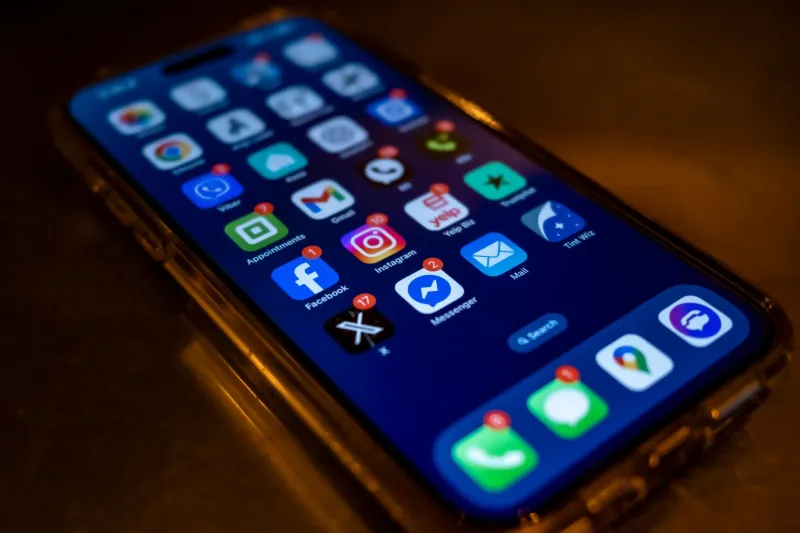
We talk about gambling discipline like it is a personality trait. Some people have it, some do not, and the rest of us just need to try harder. That story is convenient for everyone except the player. It ignores the fact that casino and sportsbook apps are designed by teams of people who study attention, friction, and timing. The product is not a neutral window into the games. It is a nudge machine.
This is not a conspiracy theory. It is product design. Companies measure sessions, deposits, and retention. Features that keep people playing get shipped. Features that encourage breaks get buried. For US players, especially those in states where mobile betting is legal and always within reach, recognizing these patterns is a practical skill.
The notification that arrives at the wrong time
Push notifications are the most obvious cue. 'Your favorite game is hot.' 'Your bonus expires tonight.' 'We saved a reward for you.' Some are pure marketing; some are timed to land when you are bored, commuting, or watching a game. The effect is to move gambling from a planned activity to an interruption-driven habit.
You can neutralize this quickly. Turn off marketing notifications in the app settings and on your phone. Keep security alerts on, but kill the promotional ones. If the app does not let you separate them, that tells you something about its priorities.
The reverse-withdrawal button
A pending withdrawal is often presented as a waiting period. In practice, it is a window where the casino lets you cancel the cashout and put the money back into play. The button is usually right there, sometimes with a friendly label like 'reverse withdrawal' or 'keep playing'.
This is one of the clearest examples of designed friction. The casino knows that a player who has requested a cashout is halfway out the door. The reverse button is a chance to pull them back. A practical response is to use withdrawal methods that do not allow reversal, request cashouts as soon as you are eligible, and remove saved payment details if the app makes one-tap redeposits too easy.
Countdown timers and bonus clocks
Countdowns create urgency. A timer on a deposit bonus or a 'reward' that expires in 15 minutes is designed to shrink your decision window. The message is simple: act now, think later. You do not need to be a psychologist to see how that interacts with a losing session.
A useful rule is to never deposit within ten minutes of a notification. If the offer is real, it will still be there after you have taken a breath. If it disappears, it was a pressure tactic, not a gift.
Near-miss animations
Slot reels are random, but the presentation is not. A near miss — two jackpot symbols and one blank — looks like progress. It is not. It is a loss with dramatic lighting. The animation is there to make the result feel closer than it was. Table game apps do similar things with 'almost' straights and near-blackjacks.
You cannot turn off every animation, but you can change how you interpret them. A near miss is a loss. It does not mean the machine is warming up, and it does not mean you are due. The math does not care about the animation.
Autoplay and turbo defaults
Autoplay is a convenience feature that removes the small pause between spins. That pause is where decisions happen. Turbo mode does the same thing for the pace of play. When the default setting is fast, the path of least resistance is more action.
Turn autoplay off. Slow the reels down if the app allows it. Use session timers and reality checks even when they feel annoying. On the sportsbook side, watch for 'one more leg' prompts and bet-builder suggestions that turn a simple wager into a bigger ticket. The app is not your friend; it is a sales channel.
The lobby that never ends
The infinite lobby is another design choice. Personalized recommendations, recently played games, and 'trending now' sections keep the next click close. The cashier can feel further away than the next game. If you have ever spent twenty minutes scrolling for a game you did not really want to play, you have felt the pull.
Use search instead of browsing. Set a timer before you open the app. Close the app after a session instead of leaving it logged in. Small friction in the right places is your friend.
Practical ways to neutralize the cues
Start with the phone. Turn off promotional notifications. Set a daily app timer. Move the casino app off your home screen. If you use a browser, log out after each session.
Then set limits before you play. Deposit limits and loss limits are more effective when they are set during a calm moment, not after a bad beat. Check whether the casino makes limit increases instant and limit decreases delayed. That asymmetry tells you a lot.
Finally, review your account history once a week. Look at session length, deposit frequency, and how often you reverse a withdrawal. Patterns are easier to see when you are not inside them.
None of this is about blaming players for being human. The product is designed to interrupt your off switch. You can still win the attention battle, but you have to treat it like one. Play bold, win big, bet smart — and remember that betting smart sometimes means closing the app before the app closes you.